
Minimally invasive treatment to remove uterine fibroids while supporting uterine health and preserving reproductive potential.
Very common
fibroids are non-cancerous growths of the womb; many women have them without knowing
Many need no treatment
fibroids that cause no symptoms and no fertility problem can often be watched
Location matters most
fibroids that bulge into the womb cavity affect fertility more than those on the outside
Uterine fibroids (also called myomas or leiomyomas) are growths made of muscle and fibrous tissue in the wall of the womb. They are almost always benign, meaning not cancer. They can be as small as a pea or as large as a melon, and a woman can have one or many.
Doctors describe fibroids by where they grow, because location decides both the symptoms and the best treatment:
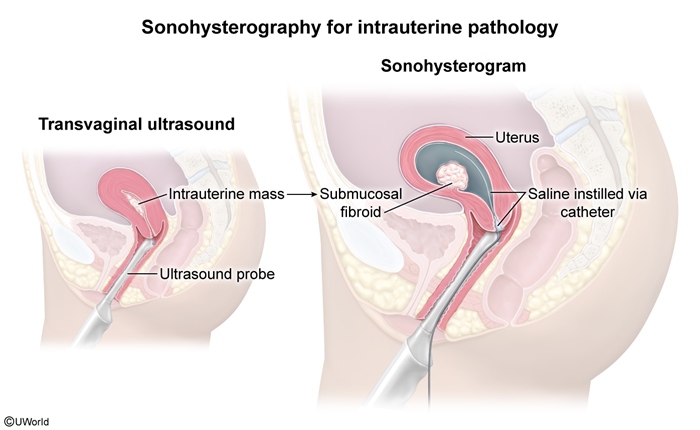
Common symptoms include heavy or prolonged periods, pelvic pressure or pain, frequent urination, constipation and, in some women, difficulty getting or staying pregnant. Many fibroids cause none of these.
A fibroid on a scan is not, by itself, a reason for surgery. Removal is usually considered when:
For fertility, the evidence is clearest for submucosal fibroids, where removal is generally advised. For intramural fibroids that do not touch the cavity, and for subserosal fibroids, the benefit of removal for pregnancy is less certain, and surgery carries its own risks. Guidance from bodies such as the American Society for Reproductive Medicine (ASRM) advises against removing fibroids that cause no symptoms purely in the hope of improving fertility, unless the cavity is affected.
The table shows each option, who it usually suits, and what it means for future pregnancy:
| Option | How It Works | Pregnancy Afterwards? |
|---|---|---|
| Hysteroscopic myomectomy | Fibroids inside the womb cavity are removed through the cervix with a thin camera; no cuts on the abdomen | Yes; usually the first choice for submucosal fibroids |
| Laparoscopic or robotic myomectomy | Fibroids are removed through small cuts using a camera, and the womb is repaired with stitches | Yes; suits a limited number and size of fibroids |
| Open (abdominal) myomectomy | Fibroids are removed through a cut in the lower abdomen | Yes; used for large or many fibroids |
| Hysterectomy | The womb is removed, which cures fibroids permanently | No; only for women who have completed their families |
| Uterine artery embolisation (UAE) | The blood supply to the fibroids is blocked so they shrink | Pregnancy is possible but data are limited; generally not the first choice if you want a baby |
| Ablation techniques (radiofrequency, focused ultrasound) | Heat or focused energy destroys the fibroid tissue without removing it | Limited evidence for pregnancy; suits selected patients only |
| Medicines (tranexamic acid, hormonal treatment) | Control bleeding or shrink fibroids for a time; they do not remove them | Many hormonal options prevent pregnancy while being taken; fibroids can regrow when stopped |
Fibroids are found in a small share of women being investigated for infertility, and in many of them they are not the only cause. Before recommending surgery, a good fertility doctor will look at the whole picture: age, ovarian reserve, tubes, your partner’s semen analysis and the shape of the womb cavity.
Tissue removal (morcellation). When fibroids are cut into pieces to remove them through small cuts, there is a small risk of spreading an unsuspected cancer. In 2014 the US FDA warned against using power morcellators in many women, and safer approaches now include removing tissue inside a protective bag or through a slightly larger incision. Ask your surgeon how the tissue will be removed.
Guidelines. Professional bodies such as ASRM, the American College of Obstetricians and Gynecologists (ACOG) and the UK’s NICE publish guidance on when and how to treat fibroids. A reputable doctor can explain how your plan follows these recommendations.
Where the surgery is done matters. Ask about your surgeon’s experience with the specific procedure, the hospital’s facilities for managing bleeding, and whether the centre works with an IVF unit if you are hoping to conceive.
All three remove fibroids while keeping the womb. They differ in access, recovery and who they suit:
| Feature | Hysteroscopic | Laparoscopic / Robotic | Open (Abdominal) |
|---|---|---|---|
| Access | Through the vagina and cervix | Several small cuts in the abdomen | One larger cut in the lower abdomen |
| Best for | Submucosal fibroids inside the cavity | A small number of moderate-sized fibroids in the wall or outer surface | Very large, deep or numerous fibroids |
| Typical hospital stay | Often day-care | Usually one to two days | Usually several days |
| Recovery | Fastest; often a few days | Usually one to two weeks | Usually several weeks |
| Main considerations | Possible adhesions; large fibroids may need more than one sitting | Needs surgical skill in repairing the womb; tissue removal method matters | More pain, longer recovery, and more scar tissue inside the abdomen |

No. Fibroids that cause no symptoms and no fertility problem can often be monitored. Treatment is advised when they cause troublesome symptoms, distort the womb cavity, or affect your chance of pregnancy.
Sometimes. Fibroids that bulge into the womb cavity are the most likely to interfere with implantation or increase miscarriage risk. Fibroids on the outside of the womb rarely do. In many women, other factors also need to be checked.
Removal is most likely to help when a fibroid distorts the womb cavity. For other fibroids the benefit is less certain, and surgery has its own risks, so the decision should be individual.
Neither is better for everyone. Laparoscopic surgery usually means quicker recovery, but suits a limited number and size of fibroids. Open surgery is often used for large or many fibroids. The right choice depends on your scan and your surgeon’s experience.
Yes. Removing a fibroid does not remove the tendency to grow new ones. New fibroids are more likely when there were many, and they may or may not cause problems.
Your surgeon will advise you based on how deep the fibroids were and how the womb was repaired. It is commonly a few months, and longer after major open surgery.
There is no reliable evidence that any herbal product or special diet removes fibroids. A healthy diet and weight may support general health, but they are not a substitute for medical assessment and treatment.
Often yes. If the fibroids do not distort the cavity, IVF can usually go ahead without surgery. If they do, removing them first is generally advised. Your fertility doctor will decide based on your scans.
Because many women are told to have surgery, or told they can avoid it, without a clear explanation. We believe informed patients make safer decisions, whether or not they choose to be treated with us.
Speak with the StemRx team for a proper evaluation and a straightforward discussion of whether you need treatment, which option suits you, and how it fits with your plans for pregnancy.