

StemRx IVF Journal · Fertility & Reproductive Medicine
Timelines, warning signs and causes worth knowing — because earlier answers often mean more options.

Many couples wait months, or even years, before seeking help, often unsure whether they are ‘really’ struggling or just need more time. The truth is that infertility is common, treatable in many cases, and rarely the fault of one person alone.
Globally, roughly one in six couples of reproductive age experiences some difficulty conceiving. In many of them the cause is found and treated with relatively simple steps — medication to support ovulation, treatment of an underlying condition, a minor procedure, or assisted options such as IUI or IVF. The longer answers are delayed, the more emotional strain builds up, and in some situations, especially where age is a factor, the number of options gradually narrows.
It also helps to know what ‘normal’ looks like. Even for a healthy couple in their twenties or early thirties, the chance of conceiving in any single cycle is only about 20–25%. Most couples conceive within a year, which is why doctors do not rush to investigate in the first few months — but it is also why a longer wait deserves attention. Knowing when to seek help and what might be behind the difficulty can save time and emotional strain. Here are the key points worth understanding.
A widely used guideline is to consult a specialist after 12 months of regular, unprotected intercourse without conception if the woman is under 35, and after 6 months if she is 35 or older.
‘Regular’ usually means intercourse every two to three days through the cycle, or at least every other day during the fertile window in the days leading up to and including ovulation. If you are unsure whether your timing is right, that in itself is a good reason for a consultation — a specialist can help you track ovulation properly instead of guessing. Some couples should not wait the full period at all, and these situations are covered further below.
Cycles that are very irregular or missing can point to ovulation problems, including conditions such as PCOS or thyroid and hormonal imbalances. These are often highly treatable once identified.
A typical cycle runs about 21 to 35 days. If yours regularly falls outside this range, varies widely from month to month, or you go several months without a period, ovulation may not be happening reliably. Other clues include excess facial or body hair, persistent acne, unexplained weight gain, or sudden hair thinning. A few blood tests and a pelvic ultrasound are usually enough to identify the cause, and ovulation-inducing medication combined with lifestyle support often restores fertility.
Severe period pain, pain during intercourse, or chronic pelvic pain may be linked to endometriosis or fibroids, which can affect fertility. Evaluation is worthwhile even if you have delayed it for years.
Many women are told for years that painful periods are simply ‘normal’. Pain that disrupts daily life, heavy bleeding with clots, or pain that gradually worsens deserves a proper look. Endometriosis can distort the pelvic anatomy and affect egg quality and implantation, while fibroids and polyps can interfere with the uterine lining. Depending on the findings, options range from medication and minimally invasive surgery to fertility treatments such as IUI or IVF.
Blocked fallopian tubes, past pelvic infections, previous surgeries, or uterine abnormalities can prevent conception. Tests such as ultrasound or a dye test of the tubes can clarify this.
The fallopian tubes are where the egg and sperm meet, so even a partial blockage can make natural conception difficult. Common causes include pelvic inflammatory disease, sexually transmitted infections, tuberculosis of the genital tract, endometriosis, and scarring after abdominal or pelvic surgery. Uterine problems such as a septum, adhesions or large fibroids can also affect implantation. A hysterosalpingogram (HSG) or a sonosalpingography checks the tubes, while a 3D ultrasound or hysteroscopy examines the uterine cavity.
Around a third of infertility cases involve the male partner, and another share involves both. A simple semen analysis is one of the earliest and easiest tests, and it should not be skipped.
The test looks at sperm count, movement (motility), shape (morphology) and semen volume. Results can vary from one sample to another, so a doctor may ask for a repeat test. Low counts, poor motility, varicocele (enlarged veins in the scrotum), past infections, hormonal imbalances, certain medications, heat exposure and smoking can all play a part. Many male-factor problems respond well to treatment or lifestyle changes, and where they do not, techniques such as ICSI allow even a small number of healthy sperm to be used effectively.

Egg quantity and quality decline with age, more noticeably after the mid-thirties. Blood tests such as AMH and a scan of antral follicles help estimate ovarian reserve and guide timing.
A woman is born with all the eggs she will ever have, and both their number and their genetic quality decrease over time. This is why age is one of the strongest predictors of success, and why the recommended waiting period is shorter after 35. Male fertility also declines gradually with age, though more slowly. Ovarian reserve tests do not predict how quickly you will conceive naturally, but they help your doctor decide how urgently to act and which treatment to choose. Women who wish to delay pregnancy may also discuss egg freezing.
Smoking, excess alcohol, high stress, being significantly under- or overweight, and poor sleep can influence fertility in both partners. Small, sustained changes often help, alongside medical care.
Some practical steps worth considering: stop smoking and limit alcohol; aim for a healthy body weight; eat a balanced diet rich in vegetables, fruits, whole grains and protein; keep caffeine moderate; exercise regularly but not excessively; and prioritise seven to eight hours of sleep. Women trying to conceive are usually advised to start folic acid supplements, ideally before conception. Men should avoid prolonged heat exposure to the groin, such as very hot baths or resting a laptop on the lap for hours. Lifestyle changes rarely replace medical evaluation, but they can improve the outcome of any treatment.
Two or more pregnancy losses deserve a proper evaluation. Genetic, hormonal, uterine and immune factors can be looked at, and many couples go on to have successful pregnancies with the right support.
Pregnancy loss is far more common than most people realise, and a single loss is usually just bad luck. When losses repeat, though, it is worth looking for a pattern. Evaluation may include chromosome testing of both partners, thyroid and blood-sugar checks, clotting and antibody tests, and a detailed look at the uterus. Emotional support matters just as much as the medical work-up: repeated loss is painful, and no couple should feel they are to blame.
In roughly one in five couples, all the standard tests come back normal and no clear cause is found. This can feel frustrating, but it does not mean there is no way forward. Subtle problems with egg quality, sperm function or implantation may be at play, and they often respond well to treatments such as ovulation induction with IUI or IVF. A specialist can also advise on how long it is reasonable to keep trying before stepping up to the next level of treatment.
The standard timelines are for couples with no known risk factors. You should book a consultation sooner if any of the following apply:
In these cases, early evaluation does not mean you will need advanced treatment. Very often it simply confirms what needs to be fixed — and starts the clock on the right plan sooner.
Knowing what to expect can take much of the anxiety out of the first visit. A typical evaluation is straightforward, mostly non-invasive, and often completed within one or two menstrual cycles.
The doctor will ask about your cycles, medical and surgical history, previous pregnancies, medications, lifestyle and how long you have been trying. Your partner’s history is just as important, so it is best to attend together.
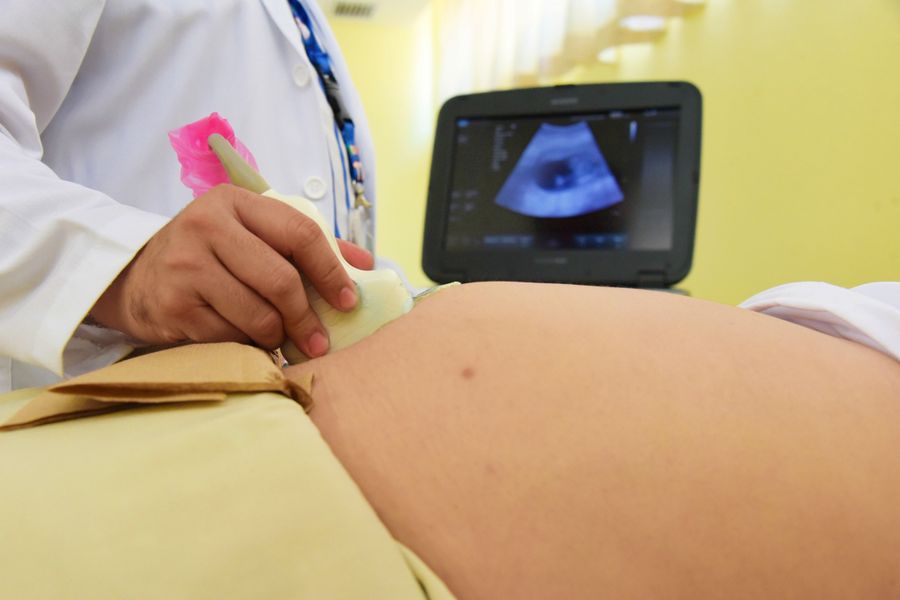
A basic examination and a pelvic ultrasound assess the uterus, ovaries and antral follicle count, and can pick up fibroids, cysts or polyps.
Hormone tests such as AMH, FSH, LH, prolactin and thyroid function help assess ovulation and ovarian reserve, while the semen analysis evaluates the male partner’s contribution. Screening for infections and blood sugar may also be advised.
Depending on the findings, a dye test of the tubes or a hysteroscopy may be suggested to check that the passage is open and the uterine cavity is healthy.
Once results are in, the doctor explains what they mean and lays out the options, which may include timed intercourse, ovulation induction, IUI, IVF or ICSI, or treatment of an underlying condition first.
Seeking help early is not giving up hope — it’s giving yourselves the best chance to move forward.
Not true. Male factors contribute to a large share of cases, and in many couples both partners have a contributing issue. Both should be evaluated together.
Stress can affect wellbeing and sometimes cycles, but relaxing alone does not clear a blocked tube or a low sperm count. Advice to ‘just relax’ can add guilt to an already difficult situation.
Regular cycles are a good sign, but they do not rule out blocked tubes, endometriosis, reduced egg reserve or male-factor issues.
Many couples are advised simpler treatments first, such as medication, treating an underlying condition, or IUI. IVF is recommended when it is the most appropriate and effective route for your particular situation.
Age is important, but infertility can affect couples in their twenties and early thirties too. If you have symptoms or risk factors, there is no reason to wait for a particular birthday.
Difficulty conceiving affects more than the body. Many couples describe feelings of sadness, frustration, isolation or guilt, and the monthly cycle of hope and disappointment can be exhausting. These feelings are normal and do not mean you are coping badly.
A good fertility centre looks after the emotional side of the journey along with the medical one.
“Which tests should both of us do first?” “Could a simpler treatment work before we consider IVF?” “How does my age affect our timeline and options?” “Are there lifestyle changes you would prioritise for us?”
You may also want to ask: “What is the likely cost of the evaluation and each treatment step?” “What are the success rates for someone in our situation, and how do you calculate them?” “How many cycles of treatment would you suggest before we review the plan?” and “Who do we contact if we have questions between visits?”
A good first consultation ends with a clear, personalised plan — not with more confusion than you walked in with.
This article is for general awareness and is not a substitute for personal medical advice. Every couple’s situation is different — please consult a qualified fertility specialist about your own case.
Ready to take the next step?
Meet the StemRx IVF team, talk through your journey, and get a plan built around you — a first consultation tells you more than any article can.