

StemRx IVF Journal · Regenerative Medicine
Platelet-rich plasma, cell-based approaches and more — an honest look at where regenerative medicine meets reproductive care.
Regenerative medicine aims to support the body’s own repair processes. In fertility care, it has attracted growing interest from couples who have struggled with thin uterine lining, reduced ovarian response, or repeated unsuccessful cycles. Understandably, it also attracts a lot of hype.
This article explains what regenerative approaches are being explored, where the evidence stands, and how to judge whether a treatment is offered responsibly. Many of these techniques are still evolving, and they are meant to complement — not replace — established fertility treatment.
Regenerative medicine uses the body’s own biological materials, such as growth factors from blood platelets or specialised cells, to support tissue repair and healing. It is a broad field, and not every technique in it is proven for fertility.
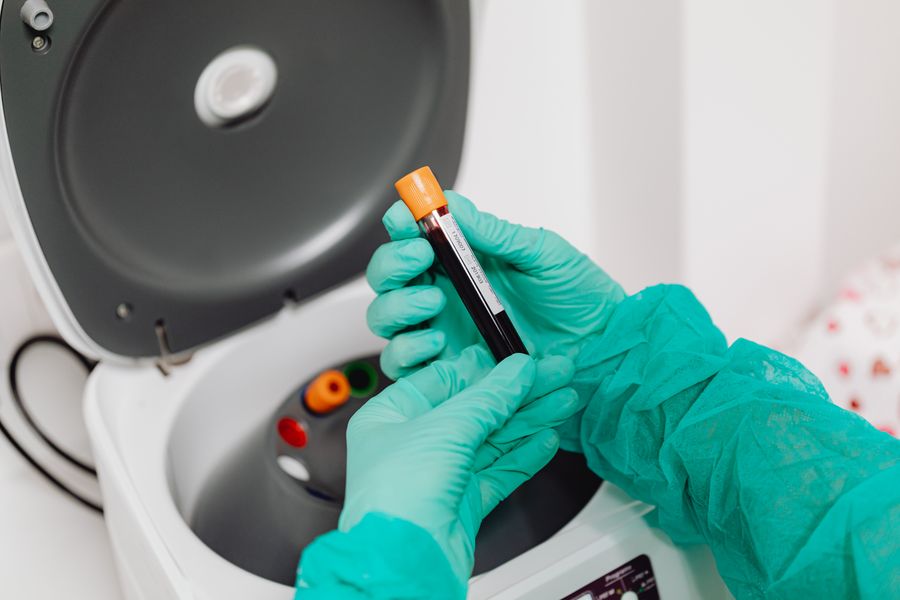
PRP is prepared from your own blood by concentrating platelets, which release growth factors. In fertility, it has been studied for the uterine lining and for the ovaries. Research is encouraging in some areas but still developing, so results vary between individuals.
A receptive lining is essential for embryo implantation. Regenerative approaches are being studied for women whose lining stays thin despite standard hormonal treatment. Your doctor first looks for treatable causes such as scarring or inflammation.
For women with reduced ovarian reserve, ovarian PRP and related techniques are being investigated. These remain largely experimental, and no approach can turn back the clock on egg quantity or quality. Honest counselling matters here.
Regenerative research also extends to male factor infertility, though most established care still centres on identifying causes, lifestyle correction, and techniques such as ICSI. Ask your specialist what is evidence-based for your situation.
Regenerative treatment is typically considered alongside or before IVF in selected cases. It is not a guaranteed alternative, and it should never delay treatment that has a stronger evidence base, especially with advancing age.
In India, cell-based therapies are subject to regulatory and ethical guidelines. A responsible clinic explains the source of materials, the protocol, the risks, and the limits of current evidence, and obtains clear informed consent.
Candidates are usually those with specific, well-defined problems, such as persistently thin lining or poor response in earlier cycles. A full fertility work-up comes first, so the right treatment is matched to the right cause.

Good regenerative care is defined by honesty: what is proven, what is promising, and what is not yet known.
“What evidence supports this treatment for my specific problem?” “What are the realistic chances, and the possible risks?” “Is this treatment part of an approved protocol or a research setting?” “What would you recommend if we chose not to do it?”
A clinic that welcomes these questions and answers without pressure is one you can trust with a decision this important.
This article is for general awareness and is not a substitute for personal medical advice. Every couple’s situation is different — please consult a qualified fertility specialist about your own case.
Ready to take the next step?
Meet the StemRx IVF team, talk through your journey, and get a plan built around you — a first consultation tells you more than any article can.