

StemRx IVF Journal · IVF Explained
A calm, plain-language walk through each stage of an IVF cycle, so nothing about the process feels like a surprise.
For many couples, the hardest part of IVF is the unknown. What happens on which day? How many visits are there? What will it feel like? Knowing the road ahead doesn’t remove the emotion, but it makes the journey feel far more manageable.
IVF, or in vitro fertilisation, simply means that fertilisation takes place in the laboratory instead of inside the body. Eggs are collected from the ovaries, combined with sperm, and the resulting embryos are placed in the uterus. It is recommended for a range of situations, including blocked or damaged fallopian tubes, low sperm count or motility, endometriosis, ovulation disorders, reduced ovarian reserve, unexplained infertility that has not responded to simpler treatments, and cases where genetic screening of embryos is advised.
From the first consultation to a pregnancy test, a typical fresh IVF cycle takes around four to six weeks, and a little longer if extra tests, preparation or a frozen transfer are involved. Below is a general outline of a standard cycle. Your own plan may differ in timing, medication and steps, and your specialist will tailor it to you.
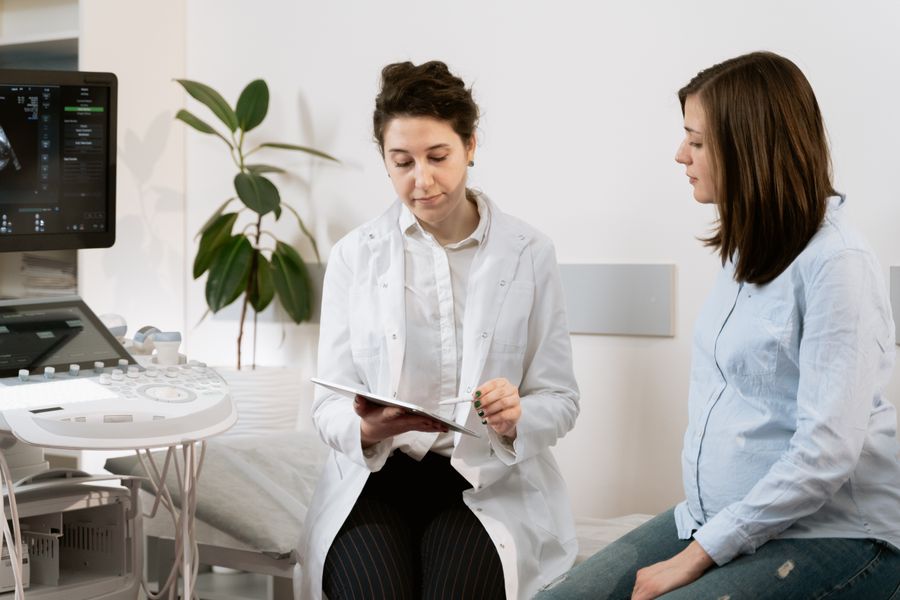
Your doctor reviews your history and usually advises baseline tests: hormone levels, an ultrasound to assess the ovaries and uterus, and a semen analysis for your partner. These guide which protocol suits you best.
Expect questions about your cycles, previous pregnancies, surgeries, medications, and how long you have been trying. Blood tests commonly include AMH, FSH, LH, thyroid and prolactin levels, and screening for infections. Sometimes an additional check of the uterine cavity or fallopian tubes is needed. By the end of this stage, you should have a clear diagnosis, a recommended treatment plan, and an estimate of the likely timeline and cost. It is also the time to discuss consent forms and any questions about the process.
Daily hormone injections encourage the ovaries to develop several mature eggs in one cycle instead of the usual one. Your team explains the dose, timing and how to give the injections.
Stimulation usually begins on day 2 or 3 of your period and lasts about 8 to 12 days. Different protocols exist, such as the antagonist protocol or a long protocol, and your doctor chooses based on your age, ovarian reserve and previous response. Most injections are given under the skin with a small pen or syringe, and the nurses will teach you how. Mild bloating, breast tenderness, mood changes and tiredness are common during this phase. Severe abdominal pain, rapid weight gain, or breathlessness should be reported to your clinic immediately, as they can signal ovarian hyperstimulation syndrome (OHSS), which is uncommon but needs prompt attention.
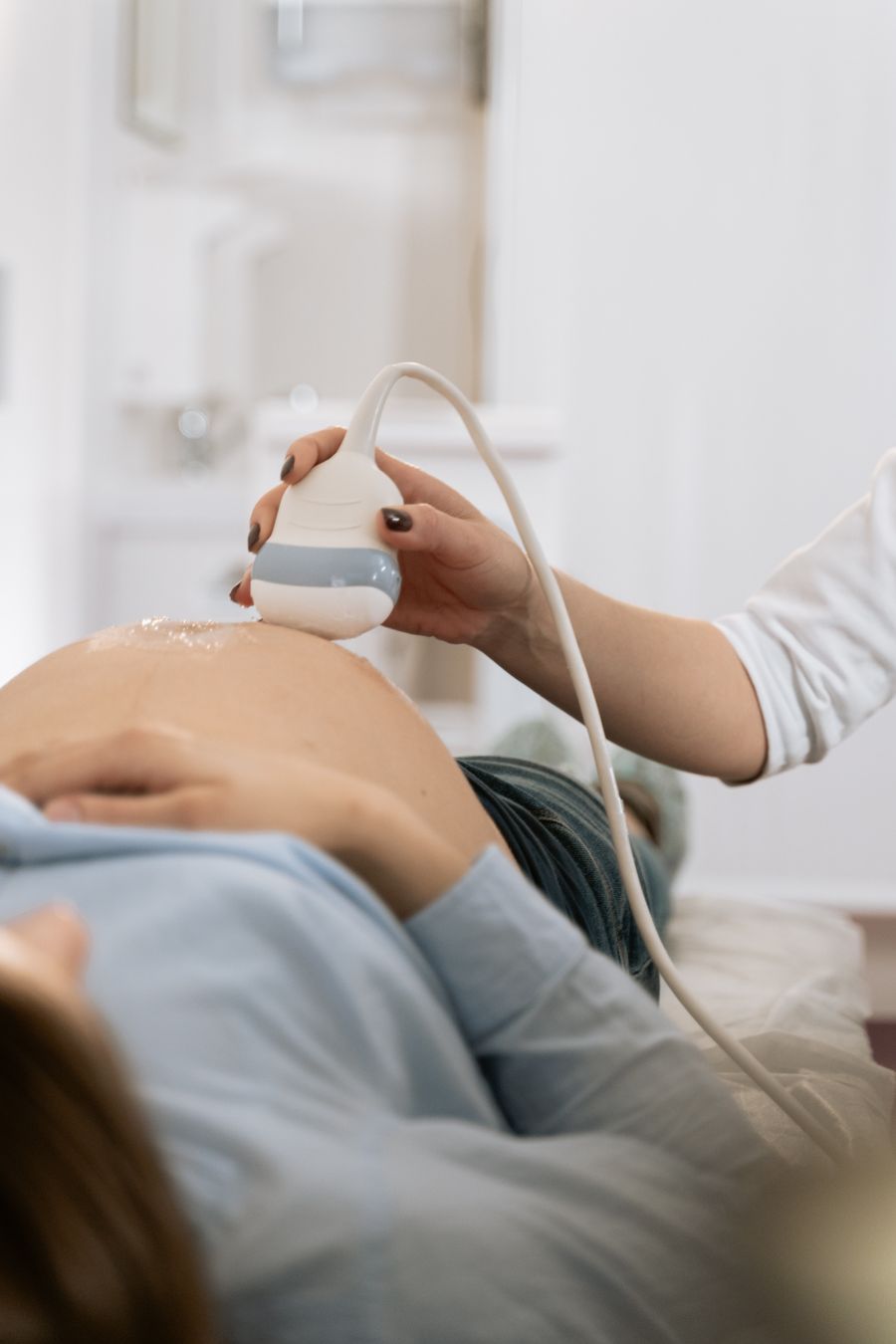
Over roughly 8 to 12 days, ultrasound scans and sometimes blood tests track follicle growth. The medication dose may be adjusted along the way to keep the response safe and effective.
You will typically have three to five monitoring visits, each fairly short. The scans measure the number and size of follicles and the thickness of the uterine lining, while blood tests check hormone levels such as oestradiol. A follicle is generally considered ready when it reaches roughly 18 mm, though the decision is based on the overall picture. Because your doctor can fine-tune the dose at each visit, monitoring is one of the most important safety and success factors in the whole cycle.
When follicles are ready, a trigger injection completes egg maturation. The eggs are then collected in a short procedure under sedation, usually taking around 15 to 30 minutes, and most women go home the same day.
The trigger is timed precisely, and egg retrieval is scheduled roughly 34 to 36 hours later. Using ultrasound guidance, a fine needle passes through the vaginal wall to collect the fluid from each follicle; there are no cuts or stitches. You will be asked to fast for several hours beforehand, and it helps to bring someone with you. Afterwards, mild cramping, spotting or a feeling of fullness is normal and usually settles within a day or two. On the same day, your partner provides a semen sample, or previously frozen or donor sperm is prepared.
In the lab, eggs are combined with sperm — through conventional IVF or ICSI, where a single sperm is injected into an egg. Embryos are then cultured for several days while the embryology team monitors their development.
Not every egg collected will be mature, and not every mature egg will fertilise, so the numbers naturally fall at each stage. This is normal and expected. You will usually receive an update the next day on how many eggs have fertilised. Over the following five to six days, embryos divide and grow, and those that reach the blastocyst stage are generally considered the strongest candidates for transfer or freezing. In some cases, a few cells may be tested for chromosomal or genetic conditions (PGT) before transfer, if your doctor recommends it.
A selected embryo is placed into the uterus using a thin catheter, generally without anaesthesia. Extra good-quality embryos may be frozen for future attempts. Some cycles use a freeze-all approach, with transfer in a later cycle.
The transfer is quick and usually feels similar to a routine pap smear. It is guided by ultrasound, and you may be asked to arrive with a comfortably full bladder. A freeze-all approach is often chosen when there is a risk of OHSS, when the uterine lining is not ideal, or when genetic testing is planned; the embryo is then transferred in a later, carefully prepared cycle. Progesterone support, by injection, vaginal tablets or gel, usually starts around this time and continues until early pregnancy, to help the lining stay receptive.
After transfer, you wait about ten to fourteen days before testing. This is often the most emotionally intense phase. Gentle routines, rest, and staying in touch with your clinic can help.
Most women can return to light daily activities soon after the transfer; strict bed rest is not necessary. It is sensible to avoid heavy lifting, strenuous exercise and anything that leaves you exhausted. Symptoms such as mild cramps, bloating or breast tenderness are common but can also be side effects of progesterone, so they are not reliable signs either way. Try to resist testing at home too early, as it can give a false result and add stress. Continue all prescribed medication, and call your clinic if you develop heavy bleeding, severe pain or fever.
A blood test measuring beta-hCG confirms whether the cycle has worked. If positive, early scans follow. If not, your doctor will review the cycle with you and discuss what could be adjusted next time.
If the result is positive, the level is usually repeated after a couple of days to make sure it is rising well, and an ultrasound at around six to seven weeks confirms the pregnancy and the heartbeat. Medication is continued as advised, and you will be guided on when to transition to routine antenatal care. If the result is negative, take time to grieve; it is a real loss. A follow-up consultation can look at embryo quality, the uterine lining, hormone levels and other factors, and often leads to a clear plan for the next attempt, whether that is a frozen embryo transfer or a modified protocol.

These timings are approximate and vary from person to person. Your clinic will give you a personalised calendar so you always know what is coming next.
Aim for balanced meals, regular gentle exercise, and good sleep. Avoid smoking and limit alcohol and caffeine. Take any supplements, such as folic acid, exactly as your doctor advises, and tell your team about every medicine you take, including herbal products.
Plan around monitoring visits and the day of the retrieval, keep your medication schedule somewhere visible, and check the storage instructions for injections. Understanding the costs at each stage, and what is and is not included, helps avoid stress later.
IVF is physically demanding for the woman and emotionally demanding for both partners. Attend key appointments together, talk honestly about how you are feeling, and lean on trusted family, friends or a counsellor. It is perfectly fine to take a break between cycles if you need one.
IVF is not a single moment — it’s a series of small, carefully managed steps, and you don’t have to take any of them alone.
The injections cause only mild discomfort for most people, and egg retrieval is done under sedation so you should not feel it. Some cramping or bloating afterwards is common. The embryo transfer is usually painless.
It varies. Some couples conceive in the first cycle, while others need several attempts. Success depends on factors such as age, egg and sperm quality, and the underlying cause of infertility. Your doctor can give you a realistic estimate based on your own results.
IVF is widely practised and generally safe, but like any medical treatment it carries some risks, including OHSS, multiple pregnancy if more than one embryo is transferred, and the small risks of sedation and the retrieval procedure. Careful monitoring and individualised protocols help keep these low.
Many women continue working through most of the cycle, adjusting schedules for early-morning monitoring visits. It is usually sensible to take the day of egg retrieval off, and perhaps the transfer day too, to rest.
Good-quality surplus embryos can be frozen and stored for future transfers. Your clinic will explain storage duration, fees and consent requirements so you can make an informed decision.
“How many clinic visits should we expect during a cycle?” “Will we be using ICSI or conventional insemination, and why?” “How many embryos do you recommend transferring, and why?” “What support is available during the two-week wait?”
You may also want to ask: “Which stimulation protocol are you recommending for me, and what are the alternatives?” “What are the chances of success for someone with my profile?” “What is the total estimated cost, and what could add to it?” “What happens if the cycle needs to be cancelled or the embryos are frozen?”
Asking these questions early helps you feel informed and involved in every decision, which matters as much as the treatment itself.
This article is for general awareness and is not a substitute for personal medical advice. Every couple’s situation is different — please consult a qualified fertility specialist about your own case.
Ready to take the next step?
Meet the StemRx IVF team, talk through your journey, and get a plan built around you — a first consultation tells you more than any article can.